
When preparing to sell a home, most homeowners focus on the obvious: pricing, repairs, photography, and choosing the right real estate agent. But there’s another important piece of the puzzle that can influence how buyers perceive a property before they ever walk through the front door: home staging.
Is it really worth the investment? Does it make a difference in how quickly a home sells or what buyers are willing to pay?
The answer isn’t necessarily that every home needs a complete staging transformation. It’s that every home deserves a thoughtful presentation strategy. In Northern Virginia’s real estate market, where buyers can compare multiple properties with just a few clicks, how your home looks and feels can influence whether it makes their shortlist.
Your First Showing Happens Online
Long before a buyer schedules a showing, they’re scrolling through listing photos, comparing properties, and deciding which homes are worth seeing in person.
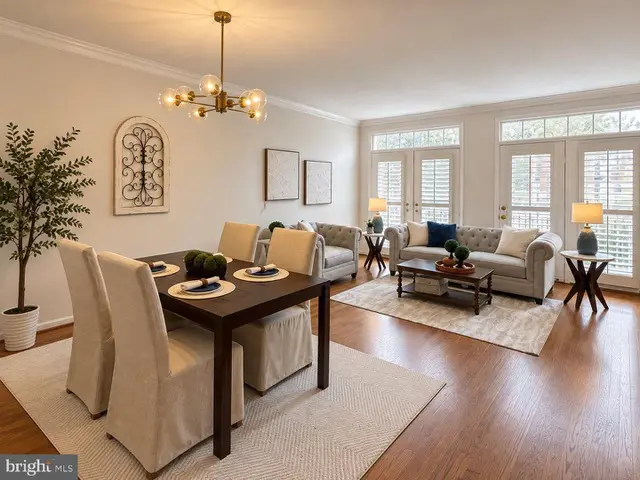
Beautiful photography is important, but what appears in those photographs matters just as much. A thoughtfully staged living room can feel inviting and spacious. A properly furnished bedroom helps buyers understand the scale of the room. Even the placement of a dining table can demonstrate how a space functions.
Staging isn’t about filling rooms with pretty furniture. It’s about highlighting the features buyers are looking for and minimizing distractions that might prevent them from appreciating the property. The goal is simple: make buyers want to see more.
Decorating vs. Staging: There’s a Difference
One of the most common misconceptions about home staging is that it’s simply another form of interior decorating. While the two share design principles, their purposes are very different.
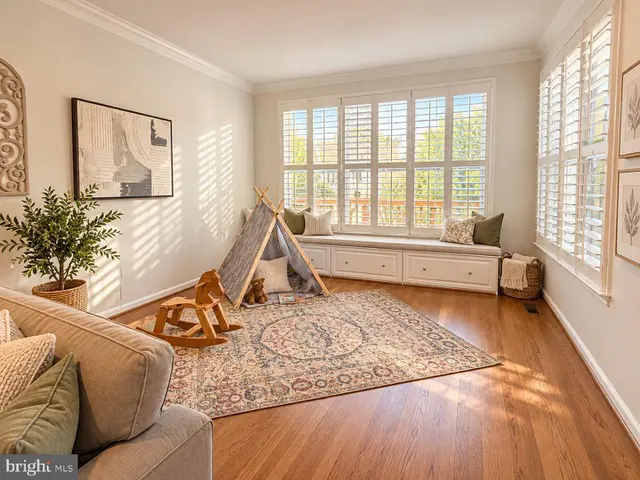
Decorating is personal. Staging is strategic. When decorating your own home, the goal is to reflect your personality, lifestyle, and preferences. When staging a home for sale, the goal is to appeal to a broad range of potential buyers while showcasing the property’s best features.
That may mean rearranging furniture to improve traffic flow, introducing lighter colors to brighten a room, removing oversized pieces, or creating a defined purpose for an awkward space. A beautifully decorated home isn’t necessarily a well-staged home. The distinction comes down to understanding who the likely buyer is and what will help that person connect with the property.
What Does the 2025 Research Say About Home Staging?
According to the National Association of REALTORS®’ 2025 Profile of Home Staging, real estate professionals reported several notable findings:
- 83% of buyers’ agents said staging made it easier for buyers to visualize a property as their future home.
- 49% of sellers’ agents observed that staging reduced the time a home spent on the market.
- 29% of agents reported that staging resulted in offers 1% to 10% higher than comparable unstaged properties.
These findings reflect agents’ reported experiences, rather than guaranteed results for every property. Nevertheless, they reinforce an important principle: presentation can influence buyer perception and purchasing decisions.
Can Staging Help Your Home Sell Faster?
Potentially, yes. But staging works best as part of a comprehensive selling strategy. A beautifully staged home that’s significantly overpriced may still struggle to attract buyers. Likewise, an accurately priced home with poor presentation may not generate the interest it otherwise could.
Pricing, condition, location, photography, marketing, and presentation all work together. In Northern Virginia, buyers may be comparing everything from established single-family neighborhoods in Prince William County to townhomes in Bristow, properties in Fairfax County, and homes on acreage in Nokesville.
Each property appeals to a somewhat different audience. A successful staging plan considers those differences rather than applying the same design formula to every home.
Does Every Home Need Professional Staging?
Not necessarily—and that’s an important distinction. Some homes benefit from a complete vacant staging installation, while others may need only a few thoughtful adjustments.
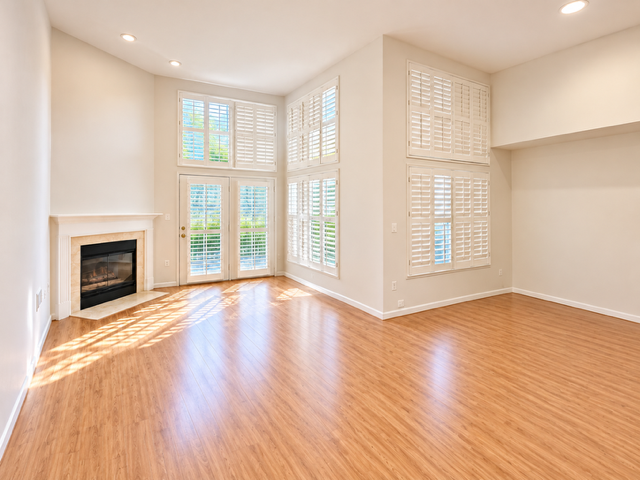
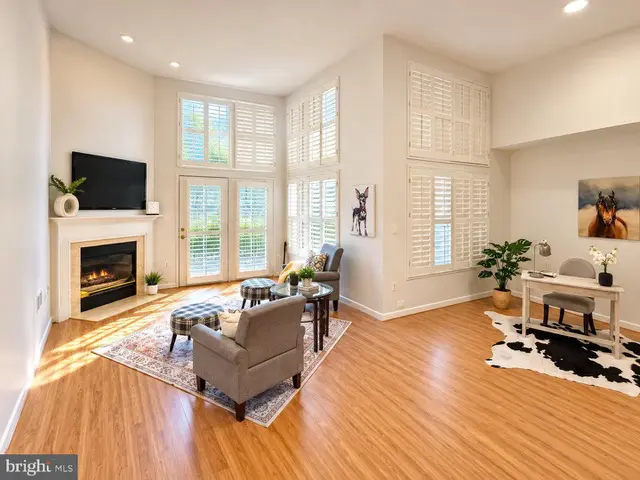
Vacant home staging: Empty rooms can be surprisingly difficult for buyers to visualize. Without furniture to establish scale, buyers may struggle to determine whether their belongings will fit or how a room could function. Professionally selected furnishings, artwork, rugs, and accessories can help define spaces and create a more inviting atmosphere.
Occupied home staging: For homeowners still living in their properties, staging may involve using existing furnishings, rearranging layouts, reducing clutter, and introducing carefully selected accessories. Sometimes the most effective improvements are relatively simple.
Pre-listing design and cosmetic improvements: In other situations, furniture alone isn’t the answer. Fresh paint, updated lighting, flooring improvements, or minor cosmetic repairs may make a greater difference in the overall presentation. The key is determining which improvements make sense before investing time and money.
Which Rooms Matter Most?
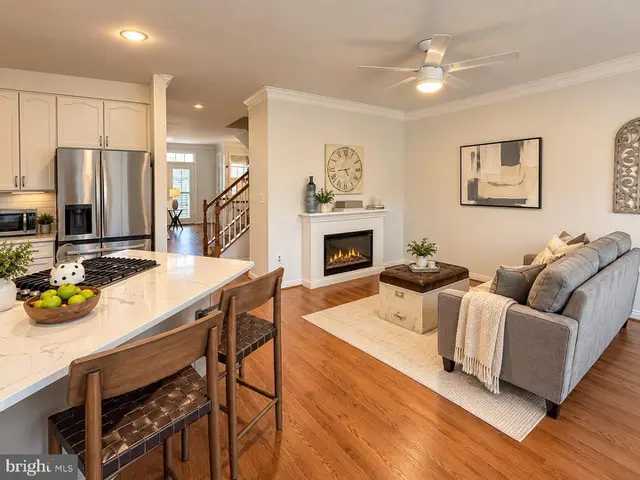
Not every room requires the same level of attention. The National Association of REALTORS® identified the living room, primary bedroom, and kitchen as particularly important spaces to buyers in its 2025 staging research.
These are rooms where buyers often imagine spending much of their time. They want to envision relaxing in the living room, preparing meals in the kitchen, and retreating to a comfortable bedroom at the end of the day. Thoughtful staging helps those spaces communicate comfort, functionality, and possibility.
For some homes, concentrating on these primary living areas may be more effective than staging every room.
What About the Cost of Not Staging?
Homeowners understandably want to know whether staging is worth the expense. But the conversation shouldn’t focus solely on the upfront cost.
It’s also worth considering the potential expenses associated with a property remaining on the market longer than anticipated. Mortgage payments, utilities, insurance, maintenance, and other carrying costs can add up. Extended market time can also create pressure to reconsider pricing.
Staging doesn’t guarantee a faster sale or eliminate the possibility of a price reduction. However, it can be one component of a strategy designed to give a home its strongest introduction to the market. The right question isn’t necessarily “How much does staging cost?” It’s “What preparation will best position my home to compete?”
A Realtor’s Perspective: Preparation Matters
As both a Northern Virginia Realtor and the owner of a professional home staging and design business, I’ve had the opportunity to experience the selling process from both perspectives.
I understand what buyers notice during showings, how properties compete online, and why certain features deserve more attention than others. I also understand the practical side of preparing a home for sale—from furniture selection and room layouts to coordinating cosmetic improvements and complete staging installations.
One thing I’ve learned is that no two properties require exactly the same approach. A vacant townhouse may benefit from a complete furniture installation, while an occupied single-family home may need only strategic editing and a few updates. A property with dated finishes may benefit more from targeted improvements before staging begins.
The most effective preparation begins with understanding the property, its likely buyer, and the current market.
The Bottom Line: Is Home Staging Worth It?
For many sellers, professional staging can be a worthwhile part of their marketing strategy. It can help buyers visualize a property’s potential, create a stronger impression through listing photography, and highlight the features that make a home desirable.
But staging isn’t about making a home look like something it isn’t. It’s about helping buyers appreciate what makes that home special. Whether you’re preparing a vacant property, simplifying an occupied home, or considering cosmetic improvements before listing, a thoughtful preparation plan can make a meaningful difference in how your property is presented. And in real estate, first impressions matter.
Every Home Deserves a Great First Impression.
Thinking about selling? Discover how professional staging and thoughtful preparation can help your home stand out in the Northern Virginia market.
Rachel Shepherd | REALTOR® • Pearson Smith Realty • www.RachelSellsNOVA.com
Research reference: National Association of REALTORS®, 2025 Profile of Home Staging — https://www.nar.realtor/research-and-statistics/research-reports/profile-of-home-staging
Individual selling outcomes depend on market conditions, pricing, property characteristics, and other factors.