
Fredericksburg, Virginia: Historic Living with Everyday Convenience
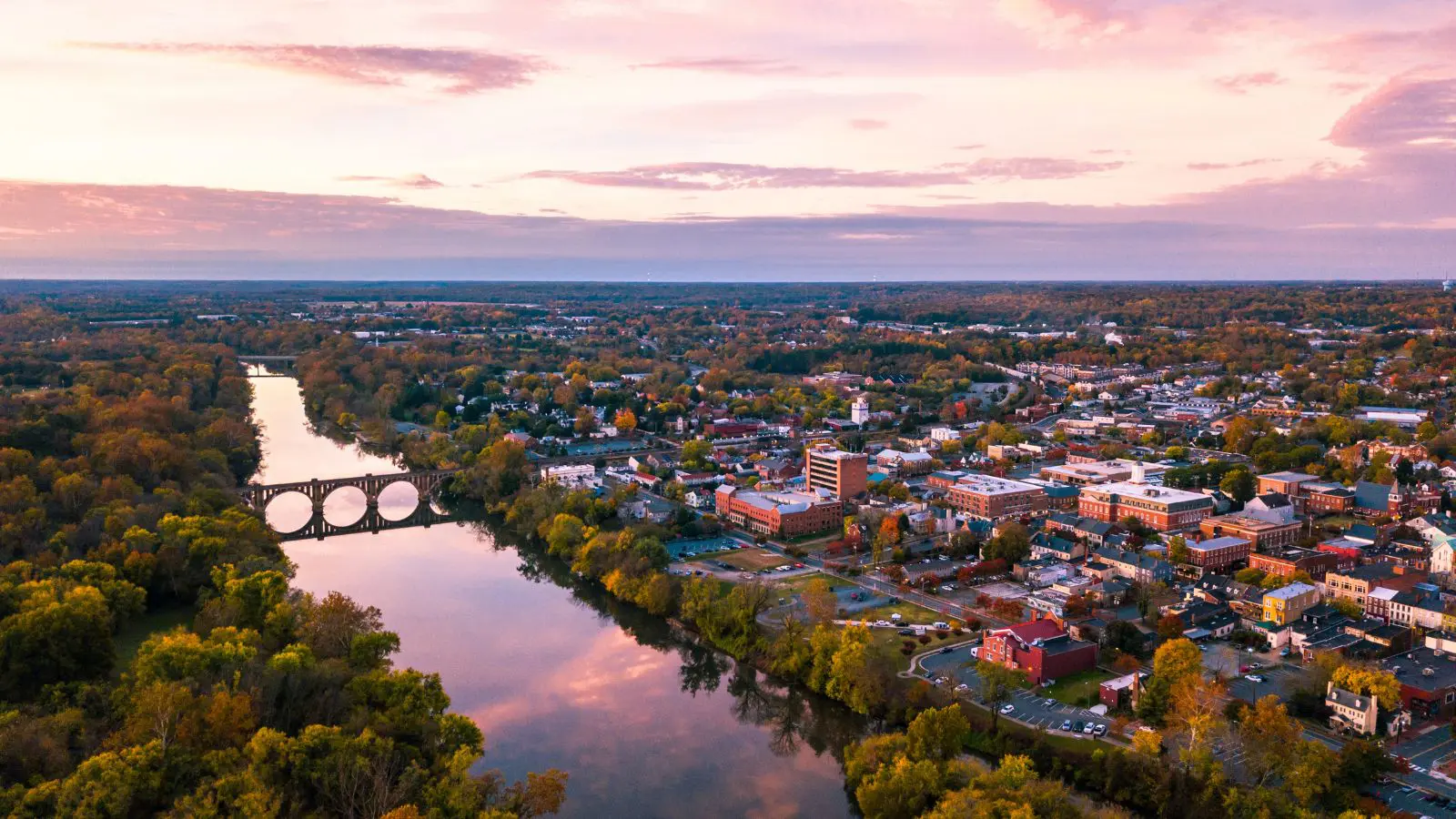
Fredericksburg, Virginia, brings together historic character, riverfront beauty, commuter convenience, and a lively downtown atmosphere in one of the most recognizable communities between Washington, D.C. and Richmond. Set along the Rappahannock River, the city offers a distinctive mix of preserved architecture, walkable streets, independent shops, established neighborhoods, and regional amenities that make daily life feel both connected and comfortable. Homebuyers are drawn to Fredericksburg for its location, but many stay for its sense of place. The area has deep colonial and Civil War history, strong educational anchors, a growing arts and dining scene, and access to parks, trails, healthcare, shopping, and transportation. Whether someone is looking for a historic home near downtown, a quiet neighborhood near the University of Mary Washington, or a newer community with more space nearby, Fredericksburg offers a welcoming lifestyle with practical advantages at many life stages.
What Is the History of Fredericksburg, Virginia?
Fredericksburg’s history reaches back to the early 1700s, when its location along the Rappahannock River made it an important colonial port and trading center. The town was founded in 1728 and named for Frederick, Prince of Wales. Its position at the fall line of the river helped shape its early economy, enabling goods from inland farms to reach coastal markets. Tobacco, grain, mills, warehouses, and river trade helped Fredericksburg grow into a regional hub during Virginia’s colonial period.
The city has strong ties to early American history. George Washington spent part of his childhood at Ferry Farm, just across the Rappahannock River, and his mother, Mary Ball Washington, later lived in Fredericksburg. Kenmore, the historic home of Washington’s sister, Betty Washington Lewis, and her husband, Fielding Lewis, remains one of the city’s most treasured landmarks. Fredericksburg also played a role in Revolutionary-era life, with civic leaders, merchants, and families contributing to the region’s political and economic growth.
During the Civil War, Fredericksburg became one of Virginia’s most heavily affected communities because of its location between Washington, D.C., and Richmond. The Battle of Fredericksburg in 1862 caused widespread destruction, and nearby battlefields at Chancellorsville, the Wilderness, and Spotsylvania Court House made the surrounding region central to the conflict. Today, preserved battlefield sites, museums, historic homes, and downtown architecture help residents and visitors understand the city’s past. Fredericksburg has continued to grow while protecting much of its historic identity, creating a community where older streets, modern businesses, university life, and regional development all remain closely connected.
Homes for Sale
What Is Life Like in Fredericksburg, Virginia?
Life in Fredericksburg offers a comfortable blend of history, recreation, dining, shopping, and community activity. Downtown Fredericksburg serves as one of the area’s strongest gathering places, with brick sidewalks, local boutiques, antique shops, art galleries, coffee shops, restaurants, breweries, and historic buildings that give the city a memorable sense of character. Residents can spend a Saturday browsing Caroline Street, enjoying a meal near the river, visiting a museum, or attending a seasonal event without leaving the heart of the city.
The arts and culture scene gives Fredericksburg much of its local personality. First Friday events bring people downtown for gallery openings, music, dining, and evening shopping. The city also supports local theater, public art, university performances, historic tours, and community festivals throughout the year. The University of Mary Washington adds educational, cultural, and athletic energy, while local organizations and civic groups help keep the city engaged and active.
Outdoor recreation is another major part of life in Fredericksburg. The Rappahannock River provides opportunities for kayaking, fishing, riverside walks, and scenic views. The Canal Path and Rappahannock River Heritage Trail create a popular paved loop for walking, jogging, and biking. Parks such as Old Mill Park, Alum Spring Park, Hurkamp Park, and Riverfront Park give residents access to playgrounds, picnic areas, open green space, trails, and community programming.
Shopping and dining options extend well beyond downtown. Central Park, Spotsylvania Towne Centre, and Route 3 commercial areas offer national retailers, grocery stores, restaurants, entertainment, and daily conveniences. This mix of local charm and regional amenities makes Fredericksburg appealing to residents who want historic surroundings, practical services, and a full calendar of activities close to home.
What Are the Best Neighborhoods in Fredericksburg, Virginia?
Fredericksburg offers a wide range of neighborhood settings, from historic downtown blocks to established residential streets and larger planned communities. Some neighborhoods sit within the city itself, while others are part of the broader Fredericksburg area and share the same daily conveniences, commuter routes, and regional identity.
Downtown Fredericksburg: Ideal for residents who want walkability, historic architecture, and immediate access to restaurants, shops, galleries, and the riverfront. Homes in this area often include historic row houses, restored residences, charming cottages, and properties with architectural details that reflect the city’s long history. Living downtown places residents near Caroline Street, William Street, the train station, Riverfront Park, Market Square, and many of the city’s cultural attractions. The lifestyle feels active and connected, with coffee shops, local dining, events, and evening strolls all within easy reach. Downtown is especially appealing to buyers who value character, convenience, and a setting where daily errands and entertainment can often be done on foot.
College Heights: College Heights sits near the University of Mary Washington and offers a residential atmosphere shaped by mature trees, established homes, and easy access to campus amenities. The neighborhood has long attracted residents who appreciate classic home styles, quiet streets, and proximity to downtown and Route 1. Homes may include Cape Cods, colonials, brick residences, and mid-century properties with inviting yards. The presence of the university gives the area a steady connection to lectures, performances, athletics, and community events. College Heights is a strong choice for buyers who want a neighborhood with a settled feel, convenient access to cultural resources, and a location that keeps downtown Fredericksburg close without placing every activity directly outside the front door.
Fall Hill: A well-known residential area near the Rappahannock River, Mary Washington Hospital, shopping, parks, and major roads. The neighborhood offers a convenient location for residents who want access to downtown Fredericksburg, Central Park, and nearby trails. Homes vary by section, with established properties, renovated homes, and newer options found throughout the area. Fall Hill’s location makes everyday routines easier, especially for residents who value short drives to medical services, grocery stores, restaurants, and recreation. The nearby river and trail system add outdoor appeal, while the area’s central position keeps commuters connected to Route 1, Route 3, and I-95. Fall Hill is well-suited to buyers who want convenience, comfort, and a practical Fredericksburg location.
Mayfield: Mayfield is one of Fredericksburg’s established residential neighborhoods, located south of downtown with access to schools, parks, shopping, and commuter routes. The area includes a mix of older homes, modest single-family residences, and properties with neighborhood character. Residents appreciate Mayfield for its accessible location and sense of community. It offers quick connections to Route 2, Route 17, downtown Fredericksburg, and nearby Spotsylvania County amenities. The neighborhood can be appealing for buyers who want a more traditional residential setting while remaining close to the city’s historic core. Mayfield’s location also places residents within reach of employment centers, local services, and regional shopping, making it a practical option for daily living.
Idlewild: A planned community in the Fredericksburg area known for tree-lined streets, sidewalks, community amenities, and a range of home styles. The neighborhood features single-family homes and townhomes, many of which are designed for modern living. Residents often appreciate access to walking paths, green space, playgrounds, a clubhouse, and neighborhood gathering areas. Idlewild sits close to Route 3, I-95, shopping, dining, and downtown Fredericksburg, making it convenient for both commuters and residents seeking easy access to local activities. The community’s layout supports an active neighborhood feel, with places to walk, meet neighbors, and enjoy outdoor time. Idlewild is a strong fit for buyers who want planned-community amenities near Fredericksburg’s historic and commercial centers.
Together, these neighborhoods show how much variety the Fredericksburg area offers. Buyers can choose historic charm, university-area character, established residential comfort, practical convenience, or planned-community living while remaining connected to the same regional amenities.
What Schools Are in Fredericksburg, Virginia?
Fredericksburg is served by Fredericksburg City Public Schools, which provides education from early childhood through high school. The division includes Hugh Mercer Elementary School, Lafayette Elementary School, Walker-Grant Middle School, and James Monroe High School, along with early childhood and specialized programs that support students at different stages. James Monroe High School offers academic courses, athletics, activities, career and technical education options, Advanced Placement opportunities, and dual-enrollment pathways that help students prepare for college, careers, and community life.
Families in the broader Fredericksburg area also have access to public school divisions in Spotsylvania and Stafford Counties, depending on their home address. This is important for buyers because many properties with Fredericksburg mailing addresses sit outside the independent city limits. School assignments can vary by exact location, so homebuyers should confirm the school division and attendance zone for each property during the search process.
Private and parochial education options add to the area’s appeal. Fredericksburg Academy serves students from prekindergarten through grade 12 in an independent school environment. Fredericksburg Christian School also offers prekindergarten through grade 12 programs with a faith-based approach. Holy Cross Academy provides Catholic education for younger students, and St. Michael the Archangel High School offers a Catholic high school option in the region. Additional preschools, faith-based programs, and specialty schools give families more choices.
Higher education is a visible part of Fredericksburg’s identity. The University of Mary Washington has a beautiful campus in the city and offers undergraduate, graduate, cultural, and community programs. Germanna Community College serves the region with workforce training, transfer pathways, health sciences, business, technology, and general education programs. Together, these institutions help create an education-focused environment that supports students, families, adult learners, and local employers.
What Is the Weather Like in Fredericksburg, Virginia?
Fredericksburg has a four-season climate with about 195 sunny days per year, roughly 40 to 43 inches of annual precipitation, and around 12 to 16 inches of average snowfall, depending on the reporting station and year. The area experiences warm, humid summers, cool winters, colorful autumns, and comfortable spring weather. This seasonal variety supports outdoor recreation, gardening, community events, and riverfront activities throughout much of the year.
Spring in Fredericksburg usually brings mild temperatures, blooming trees, and renewed activity in parks and downtown spaces. Daytime temperatures often move from the 50s into the 70s as the season progresses. Residents enjoy walking the Canal Path, visiting farmers’ markets, dining outdoors, and spending time along the Rappahannock River. Rainfall is common enough to keep lawns and gardens green, so spring often feels fresh and active across the city.
Summers are warm and humid, with highs often reaching the upper 80s and low 90s. July is often one of the hottest months, and afternoon thunderstorms can develop during humid stretches. Many residents plan outdoor activities earlier in the day, then enjoy shaded patios, river activities, pools, and evening events once temperatures ease.
Autumn is one of Fredericksburg’s most inviting seasons. Temperatures often settle into the 60s and 70s during the day, with crisp evenings and colorful foliage around neighborhoods, parks, and historic sites. Fall festivals, football games, outdoor dining, and battlefield walks are especially enjoyable during this time.
Winters are colder but manageable, with average highs often in the 40s and 50s. Snowfall varies from year to year, with some winters bringing only light accumulation and others producing several measurable storms. The overall weather pattern gives Fredericksburg enough seasonal change to feel distinct without creating long stretches of harsh winter conditions.
How Convenient Is Transportation in Fredericksburg, Virginia?
Transportation is one of Fredericksburg’s biggest practical advantages, especially for residents who need access to Northern Virginia, Washington, D.C., Richmond, Stafford County, Spotsylvania County, or regional employment centers. Interstate 95 runs along the western side of the city and provides the main north-south connection through the region. U.S. Routes 1, 3, 2, and 17 also serve the area, providing residents with multiple ways to reach shopping, schools, medical centers, neighborhoods, and nearby communities.
Fredericksburg is especially valuable for commuters because of its rail access. The Fredericksburg train station serves Virginia Railway Express on the Fredericksburg Line, providing commuter rail service to Northern Virginia and Washington, D.C. Amtrak also operates from the station, offering regional travel options. The Spotsylvania VRE station south of the city provides another commuter rail access point for residents in the broader Fredericksburg area.
Local public transportation is available through Fredericksburg Regional Transit, often known as FXBGO or FRED. The system provides routes through the city and surrounding areas, including access to shopping, medical services, educational destinations, and commuter connections. The University of Mary Washington area, downtown, Route 3, Central Park, and other high-traffic areas benefit from local transit service.
Fredericksburg also supports walking and biking in several areas. Downtown is one of the most walkable parts of the city, with sidewalks, crosswalks, shops, restaurants, parks, and the train station nearby. The Canal Path, Rappahannock River Heritage Trail, Fall Hill Trail, and neighborhood sidewalks add more options for recreation and short local trips.
Air travel is accessible through several regional airports. Ronald Reagan Washington National Airport, Dulles International Airport, and Richmond International Airport are all reachable by car, depending on traffic and destination needs. Stafford Regional Airport also serves general aviation nearby. This network gives Fredericksburg residents strong connectivity while allowing them to enjoy a community with historic character and local convenience.
Are You Ready to Call Fredericksburg Home?
Fredericksburg, Virginia, offers a rare combination of history, location, neighborhood variety, and everyday convenience. Its downtown streets, riverfront trails, respected schools, university presence, local businesses, commuter rail access, and regional shopping make it appealing to buyers seeking a community with both character and practical value. The city feels rooted in its past while continuing to serve modern lifestyles, from commuting and education to recreation and dining. Whether you are drawn to a historic home near downtown, an established neighborhood near campus, or a planned community close to major routes, Fredericksburg gives you many ways to feel at home. When you are ready to explore homes in Fredericksburg or compare neighborhoods across the surrounding area, reach out to me for guidance that helps you move forward with confidence.