Warrenton, Virginia: Historic Charm with Everyday Convenience
Warrenton, Virginia, combines historic charm, scenic countryside, and Northern Virginia convenience. Located in Fauquier County, this town gives residents access to shops, restaurants, schools, parks, and commuter routes, all while maintaining a strong sense of community. Old Town Warrenton anchors daily life with brick sidewalks, preserved architecture, independent businesses, and year-round events. Beyond the center, residential areas range from walkable streets to quiet neighborhoods with wooded views, lakes, and larger homesites. Warrenton is close to Virginia wine country, horse farms, and the Blue Ridge foothills, giving it natural beauty. For buyers seeking history, charm, and regional access, Warrenton offers a balanced lifestyle. It feels established, friendly, and livable, with enough variety to attract families, professionals, retirees, and anyone drawn to life in Virginia’s Piedmont region.
What Is the History of Warrenton, Virginia?
Warrenton’s history began at a crossroads where early travelers, farmers, and merchants passed through Virginia’s Piedmont. The community grew along routes linking inland settlements to larger trade centers, making it a natural stop for commerce and travel. Before Warrenton became a town, the surrounding countryside was shaped by farms, mills, estates, and rural communities. As Fauquier County grew, the need for a county seat gave Warrenton a lasting civic role.
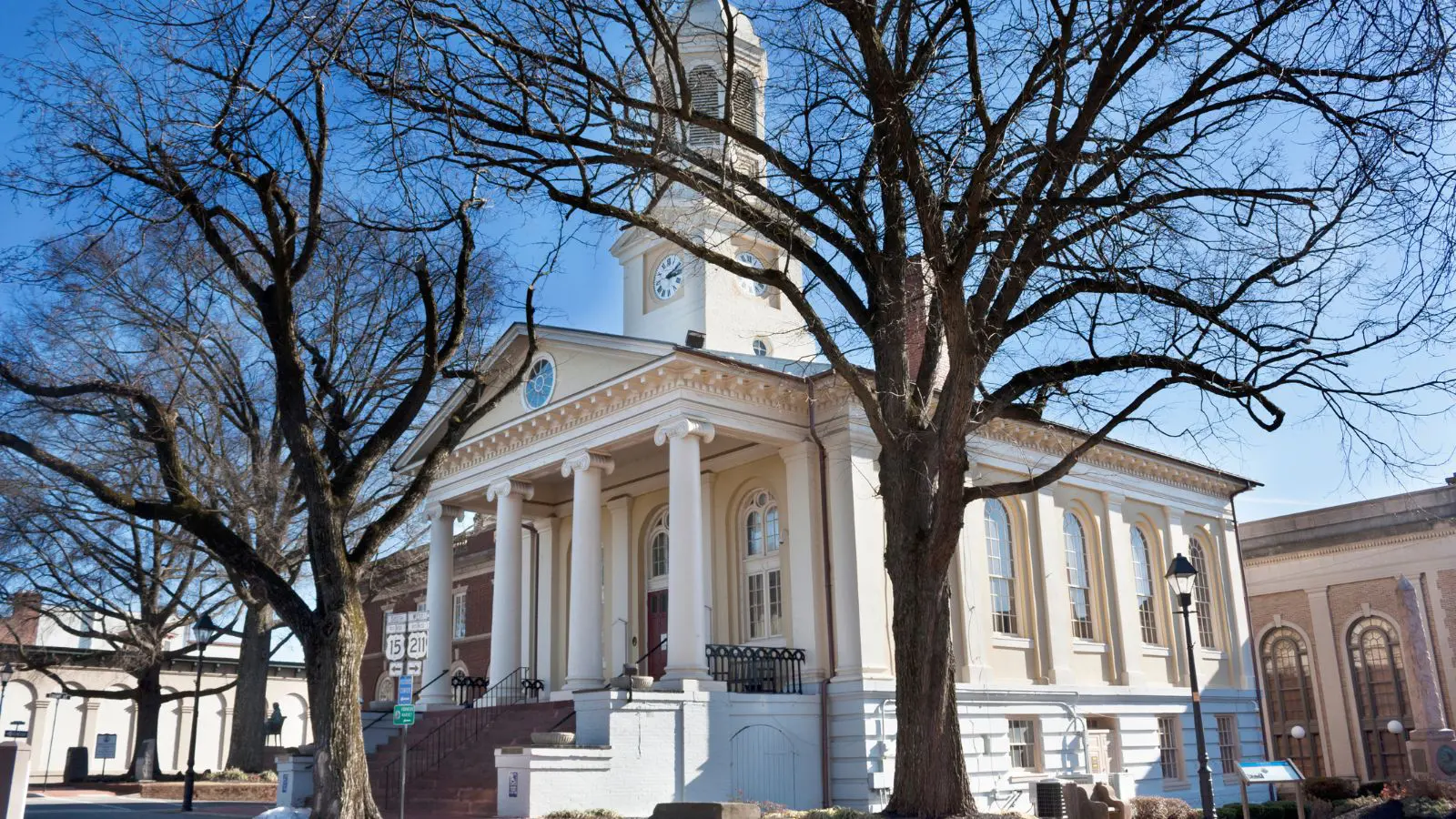
The town was incorporated in the early 19th century and named in honor of General Joseph Warren, a Revolutionary War patriot remembered for his leadership during the early years of the American fight for independence. As the county seat, Warrenton became a center for legal business, government, education, church life, and local trade. The courthouse area helped shape the town’s identity, drawing people from nearby farms and villages into town for court days, shopping, meetings, and social connections.
In the 19th century, Warrenton grew as a market town with close ties to agriculture and horse country. The Civil War brought military action and hardship, as Northern Virginia became a major conflict area. Its location exposed Warrenton to armies and campaigns, leaving a deep historical record.
Over time, Warrenton evolved from a rural county seat into a residential and commercial hub while preserving its architecture. Old Town still shows this history through its courthouse, churches, storefronts, homes, and walkable streets. Today, Warrenton’s past is visible in daily life, giving residents continuity and a sense of heritage, beauty, and strong local identity.
Homes for Sale
What Is Life Like in Warrenton, Virginia?
Life in Warrenton is connected, active, and rooted in tradition. Old Town is the community’s heart, with restaurants, cafés, boutiques, galleries, offices, and historic buildings forming a walkable center. Residents meet for dinner, shop locally, attend events, or enjoy relaxed weekends nearby. Downtown gives Warrenton its personality, offering a welcoming pace while meeting practical needs.
Outdoor recreation is central to Warrenton life. The Piedmont setting puts residents near countryside, parks, trails, wineries, equestrian venues, and scenic drives. Parks offer space for sports, walking, playgrounds, picnics, and programs. Nearby natural areas let residents enjoy fresh air, whether on a stroll, bike ride, winery visit, or drive toward the Blue Ridge.
Community events help bring people together throughout the year. Old Town activities, holiday celebrations, farmers’ markets, outdoor concerts, and seasonal gatherings give residents regular opportunities to connect. Warrenton’s local organizations, small businesses, schools, and civic groups all contribute to the town’s strong community feel. This involvement gives the area a lived-in warmth that many buyers appreciate when they are looking for a place to settle.
Dining and shopping reflect Warrenton’s local character. Residents find cafés, family restaurants, specialty shops, antiques, wellness services, and conveniences nearby. Larger retail and job centers are accessible in Northern Virginia, but Warrenton maintains a personal atmosphere. The result is a balanced lifestyle with small-town friendliness, scenic surroundings, and amenities making daily life comfortable and engaging.
What Are the Best Neighborhoods in Warrenton, Virginia?
Warrenton offers diverse homes, from historic streets near Old Town to planned communities with trails, lakes, and space. Buyers find in-town convenience, subdivisions, rural surroundings, and access to commuter routes.
Old Town Warrenton: Old Town Warrenton appeals to buyers who value walkability, history, and a strong sense of place. Homes in and around this area often include older properties with architectural character, shaded streets, and close access to restaurants, shops, offices, and courthouse landmarks. Residents can enjoy local events, weekend strolls, and quick errands without relying on long drives for every outing. The area works well for people who want daily life to feel connected to the town’s historic and civic center. Homes may vary in age, size, and style, which gives Old Town a layered residential feel. For buyers who appreciate charm, convenience, and local personality, Old Town remains one of Warrenton’s most recognizable places to live.
Brookside: Brookside is one of the larger planned communities in the Warrenton area and is known for its lakes, trails, wooded surroundings, and neighborhood amenities. Residents often appreciate the sense of space and recreation built into the community, with walking paths, water views, pools, and gathering areas that support an active neighborhood lifestyle. Homes in Brookside typically offer suburban comfort with access to outdoor features close to home. The community can appeal to commuters because it sits on the eastern side of the Warrenton area, offering a practical location for those traveling toward Gainesville, Prince William County, or other Northern Virginia destinations. Brookside works well for buyers who want a planned-community setting with scenic features, neighborhood identity, and room to enjoy time outdoors.
White’s Mill: White’s Mill offers a peaceful residential setting northeast of downtown Warrenton. The neighborhood is often associated with spacious homes, greenery, trails, and a convenient location near Old Town, shopping, wineries, and dining. Buyers who like established suburban surroundings may appreciate the sense of privacy and neighborhood comfort found here. Streets often feel calm and residential, while access to town amenities remains convenient. White’s Mill can suit families, professionals, and anyone who wants a home environment that feels removed from the busiest parts of town without feeling isolated. Its location provides residents with access to daily necessities, schools, recreation, and local destinations. The neighborhood’s appeal comes from its balance of comfort, convenience, and traditional residential character.
Warrenton Lakes: Warrenton Lakes offers an established residential setting near the northeastern side of Warrenton. The neighborhood appeals to buyers who want a community feel with access to both Warrenton and the surrounding commuter routes. Homes in this area can offer a comfortable suburban atmosphere, with the benefit of being near parks, shopping, schools, and services. Residents can enjoy a quieter home base while staying close to Old Town, Route 29, and other major roads. Warrenton Lakes may be a good fit for buyers seeking neighborhood identity without needing the larger amenity package of a master-planned community. Its location provides flexibility for local errands, school travel, and regional commuting, which makes it practical for a variety of households.
Vint Hill Area: The Vint Hill area sits east of Warrenton and offers a mix of residential options, local businesses, and access to major routes toward Gainesville, Prince William County, and the broader Northern Virginia region. While Vint Hill has its own identity, many buyers searching around Warrenton consider it because of its location, newer housing options, and proximity to both Warrenton and commuter corridors. The area has historic roots tied to the former Vint Hill Farms military facility, along with modern redevelopment that has added homes, businesses, and community spaces. Residents can reach Warrenton’s shops and restaurants while also enjoying a position closer to eastern employment centers. For buyers who want a Warrenton-area lifestyle with practical regional access, Vint Hill can be a strong option.
Together, these neighborhoods highlight Warrenton’s variety. Some buyers prefer Old Town’s historic charm, while others seek trails, lakes, large lots, or easy commuter access. Warrenton’s housing offers freedom to choose a setting for every lifestyle.
What Schools Serve Warrenton, Virginia?
Warrenton is served by Fauquier County Public Schools, which supports students across elementary, middle, and high school levels. Families living in Warrenton may be zoned for schools such as James G. Brumfield Elementary School, C.M. Bradley Elementary School, Warrenton Middle School, Taylor Middle School, Fauquier High School, or other nearby campuses, depending on their address. Because school assignments can vary by neighborhood, buyers should confirm school boundaries before choosing a home.
Public schools in the Warrenton area offer academic instruction, athletics, arts, clubs, career preparation, and student support programs. Fauquier High School, located in Warrenton, serves as one of the area’s major secondary schools and has a long-standing connection to the community. Students can participate in sports, music, theater, technical education, student organizations, and other extracurricular activities that help families become part of local life. Middle and elementary schools also play an important role in neighborhood connection, with school events, parent involvement, and youth activities helping residents build relationships close to home.
Private and faith-based education options are also available in and around Warrenton. Highland School, a private school in Warrenton, serves students from preschool through high school and is known for college preparatory academics, athletics, arts, and community involvement. Saint John the Evangelist Catholic School provides a parochial option for families seeking Catholic education in town. Other private, independent, and specialized programs can be found throughout Fauquier County and nearby Northern Virginia communities.
Higher education opportunities are accessible within a reasonable drive. George Mason University in Fairfax, Northern Virginia Community College campuses, Laurel Ridge Community College, and the University of Mary Washington in Fredericksburg provide academic, technical, professional, and continuing education options. Warrenton’s location allows students and adult learners to access regional colleges without moving to a larger city. For families considering long-term educational needs, Warrenton offers a practical foundation, with public, private, faith-based, and higher education options nearby.
What Is the Weather Like in Warrenton, Virginia?
Warrenton has a four-season climate with warm summers, cool autumns, cold winters, and pleasant springs. The area averages about 197 sunny days per year, around 44 inches of rain, and roughly 20 inches of snow. Temperatures generally range from the mid-20s in winter to the upper 80s in summer, giving residents a full seasonal experience without the extremes found in some regions.
Spring in Warrenton brings blooming trees, green lawns, and comfortable days that often move from the 50s into the 70s. Rain is common during this season, helping the countryside, gardens, and wooded areas come alive after winter. Residents often use spring for planting, outdoor projects, youth sports, farmers’ markets, and weekend visits to parks, wineries, or local events. The season feels fresh and active, with longer days encouraging more time outdoors.
Summer is warm and humid, with highs often reaching the 80s. This is a popular time for outdoor dining, community events, pool days, evening walks, and scenic drives through the surrounding countryside. Afternoon storms can develop during warmer months, especially when humidity builds. Shade trees, parks, and nearby rural roads give residents many ways to enjoy the season while staying close to home.
Fall is one of Warrenton’s most appealing seasons. Temperatures often settle into the 60s and 70s during the day, with cooler evenings that make outdoor events, football games, festivals, and winery visits especially enjoyable. Trees across Fauquier County bring rich seasonal color, and the surrounding farms, vineyards, and country roads add to the area’s autumn appeal.
Winter is cold, with average lows often below freezing. Snowfall varies from year to year, but the area receives enough snow to create occasional winter scenery and school delays. Even during colder months, Warrenton remains practical for daily life, with road access, local services, shopping, and community amenities close at hand.
How Convenient Is Transportation in Warrenton, Virginia?
Transportation in Warrenton is shaped by its location at a major crossroads in Virginia’s Piedmont. The town sits near U.S. Routes 15, 17, 29, and 211, offering residents several options for local and regional travel. These routes connect Warrenton to Gainesville, Culpeper, Manassas, Washington, D.C., the Shenandoah Valley, and other Northern Virginia destinations. For many residents, driving remains the primary way to commute, shop, attend school, and reach nearby employment centers.
Route 29 is one of the most important corridors for commuters traveling east toward Gainesville, Centreville, Fairfax, and the D.C. metro area. Route 17 provides north-south access, while Route 211 connects Warrenton west toward the Blue Ridge and east toward regional routes. This road network offers residents flexibility, though commute times can vary depending on traffic, weather, and destination. Buyers who plan to commute regularly may want to test-drive routes during peak travel times before choosing a neighborhood.
Public transportation within Warrenton is limited compared with larger Northern Virginia suburbs. Many residents rely on personal vehicles, carpools, commuter lots, rideshare services, or regional connections. Local and county transportation programs may help certain residents with specific needs, but daily commuting generally requires planning. The benefit is that Warrenton’s size keeps many local errands manageable, especially for residents near Old Town, schools, medical services, and shopping areas.
Air travel is accessible from several regional airports. Washington Dulles International Airport is the most practical major airport for many Warrenton residents, while Ronald Reagan Washington National Airport and Charlottesville-Albemarle Airport may also be useful depending on traffic and destination. Warrenton-Fauquier Airport serves local private and general aviation needs.
Bike and pedestrian access is strongest in and around Old Town, where sidewalks and local streets support walking between shops, restaurants, offices, and community events. In more rural or suburban areas, driving remains the most practical choice. Overall, Warrenton offers strong road connectivity, convenient local access, and reasonable airport options for residents who want small-town living with regional reach.
Are You Ready to Call Warrenton Home?
Warrenton, Virginia, offers a warm and practical lifestyle shaped by history, community, and convenience. Its preserved Old Town, locally owned businesses, scenic countryside, and range of neighborhoods give buyers many ways to feel at home. Families can appreciate the school options and community events, professionals can value access to major routes, and anyone drawn to Virginia’s Piedmont region can enjoy the town’s beauty and established character. Warrenton feels connected while keeping its local identity, which is a meaningful part of its appeal. From historic homes near downtown to planned communities with trails and lakes, the area offers options for a range of needs and life stages. If you’re considering a move to Warrenton or want to explore homes in Fauquier County, reach out to me when you’re ready to take the next step.